Reading & Writing
Looking for expert care for your child who has difficulty with reading, writing, spelling, or comprehension? At Carmel Language & Literacy, your child will receive support from a clinician equipped with the right knowledge and training.
Does my child have Dyslexia?
There are many warning signs for Dyslexia that might include:
Late talking
Trouble learning how to rhyme
Difficulty learning and remembering the names of the letters
Frequent mispronunciations of words
Family history of reading/spelling difficulties
Extreme and persistent problems with spelling
Reading is slow and awkward
Doesn’t seem to have a strategy for attacking unknown words
Searches for words when speaking
This is not an exhaustive list. It’s important that your child receive a formal evaluation with a trained clinician in order to be accurately diagnosed with Dyslexia.
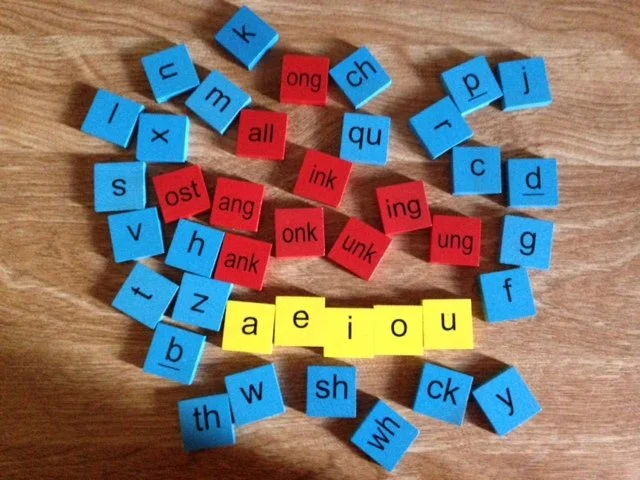
What is Dyslexia? Why would an SLP diagnose and treat Dyslexia?
Dyslexia is caused by differences in the structure and function of the brain. The majority of modern research indicates that differences in sound processing, word recognition, and rapid word recall are all heavily associated with Dyslexia. In addition, many scientists believe that more than half of children who have Dyslexia also have a condition called Developmental Language Disorder (DLD). This is because the cognitive systems involved in the production and comprehension of written and spoken language are deeply connected. See our Evidence page for more information about the scientific foundation behind our understanding of Dyslexia.
Most people who have Dyslexia were born with the condition, either through genetic inheritance or some other congenital cause. Some people may acquire Dyslexia following an injury to specific regions of their brain.
It is important to understand two key points:
People with Dyslexia do not have reduced intelligence! People with Dyslexia can have average or above-average intelligence and may demonstrate particular strengths in areas such as reasoning, problem-solving, and conceptual thinking.
A person with Dyslexia can learn to read & write efficiently and accurately! The brain is remarkably adaptive and can change with the right stimulus- we know this from countless studies on an effect called neuroplasticity. In order to achieve this change, people with Dyslexia often require a structured, hierarchical approach to instruction that includes significantly more 1-on-1 support.
Because of the critical role of language-based skills in Dyslexia, a Speech-Language Pathologist (SLP) with Master’s level training is the right fit to provide this critical intervention. Clinicians can support not only word-level reading and spelling (decoding and encoding), but the surrounding, underlying skills that contribute to the root of difficulties: phonological processing, rapid automatic naming, vocabulary, and discourse-level comprehension.
Our approach blends traditional speech-language therapy techniques with an Orton-Gillingham based Structured Literacy intervention program that was designed for people with Dyslexia. Please scroll down to contact us today and schedule a free consultation!